🇯🇵 Japan Manners Guide
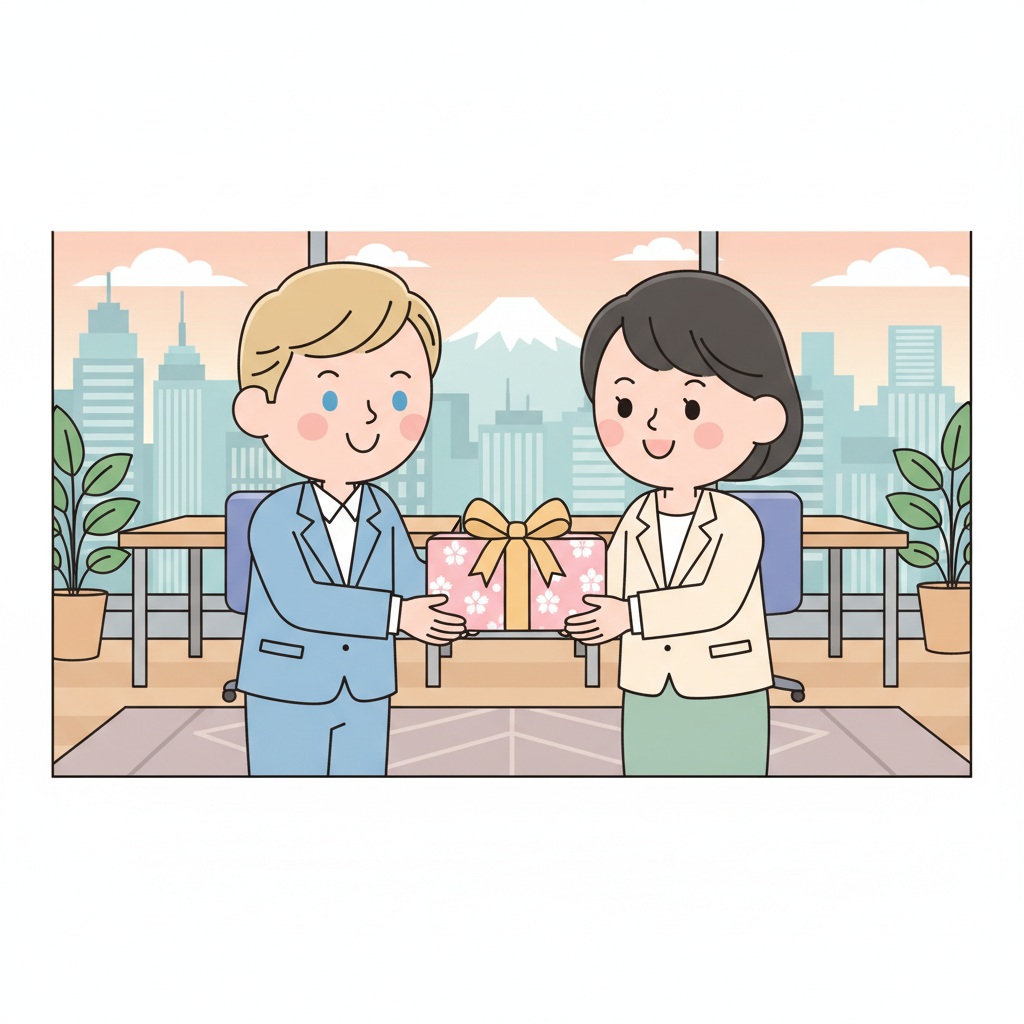
Japanese business card exchange with both hands in a modern Tokyo office

💼 Japanese Business Etiquette

Build strong professional relationships in Japan with these essential business customs

← Back to Home

📇 Meishi — Business Card Exchange
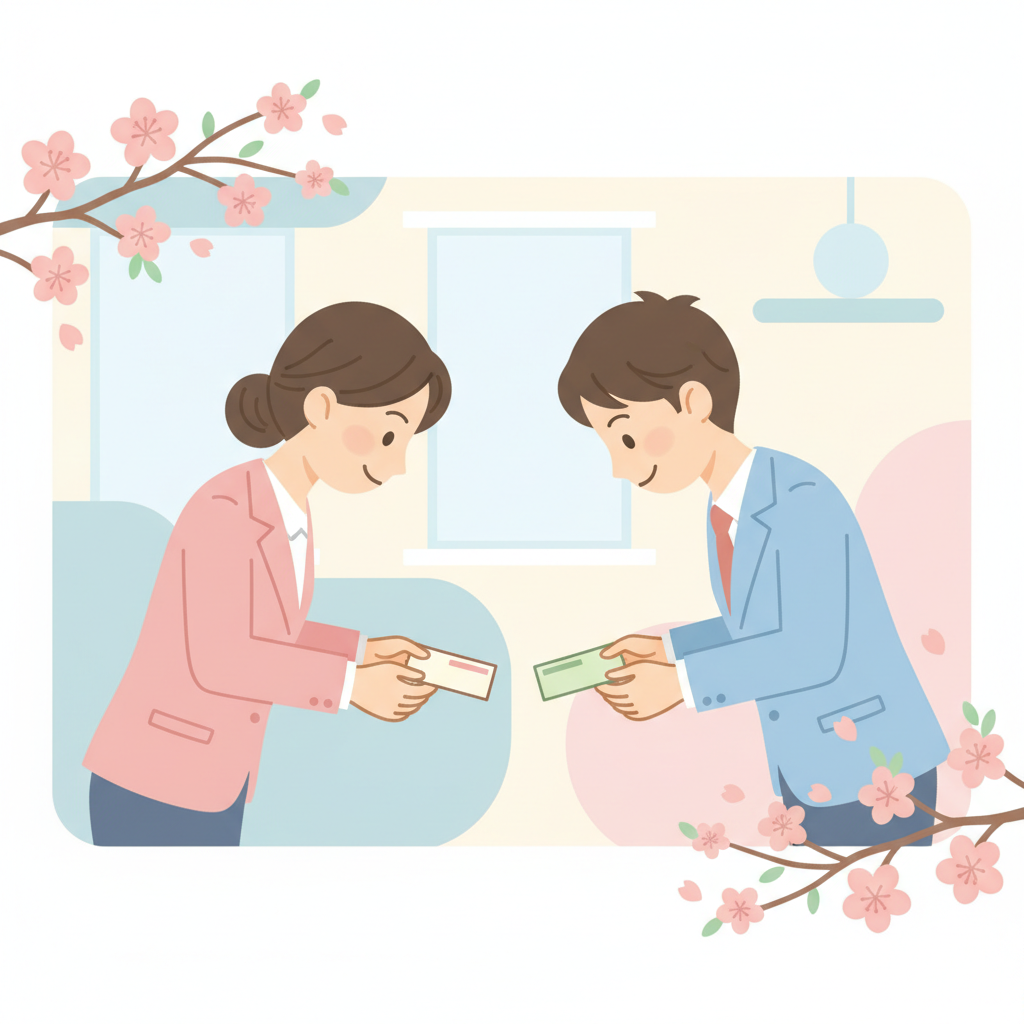
Japanese business card exchange: presenting meishi with both hands and a bow
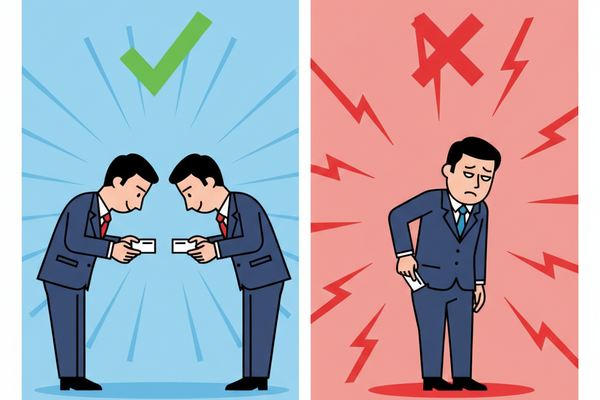
Business card exchange OK vs NG

Prepare Your Cards

Have cards printed in English on one side, Japanese on the other. Keep them in a card holder — never in your wallet or pocket.

Present With Both Hands

Offer your card with both hands, Japanese side facing the recipient, with a slight bow. Say your name and company clearly.

Receive With Both Hands

Accept the other person's card with both hands. Take a moment to study it respectfully before setting it carefully on the table in front of you.

Never Write on Cards

Writing on a business card is considered highly disrespectful — it's equivalent to defacing the person themselves.

Store Carefully

After the meeting, store cards in a proper card holder. Never stuff them in a pocket, sit on them, or throw them away carelessly.

🤝 Meeting Manners
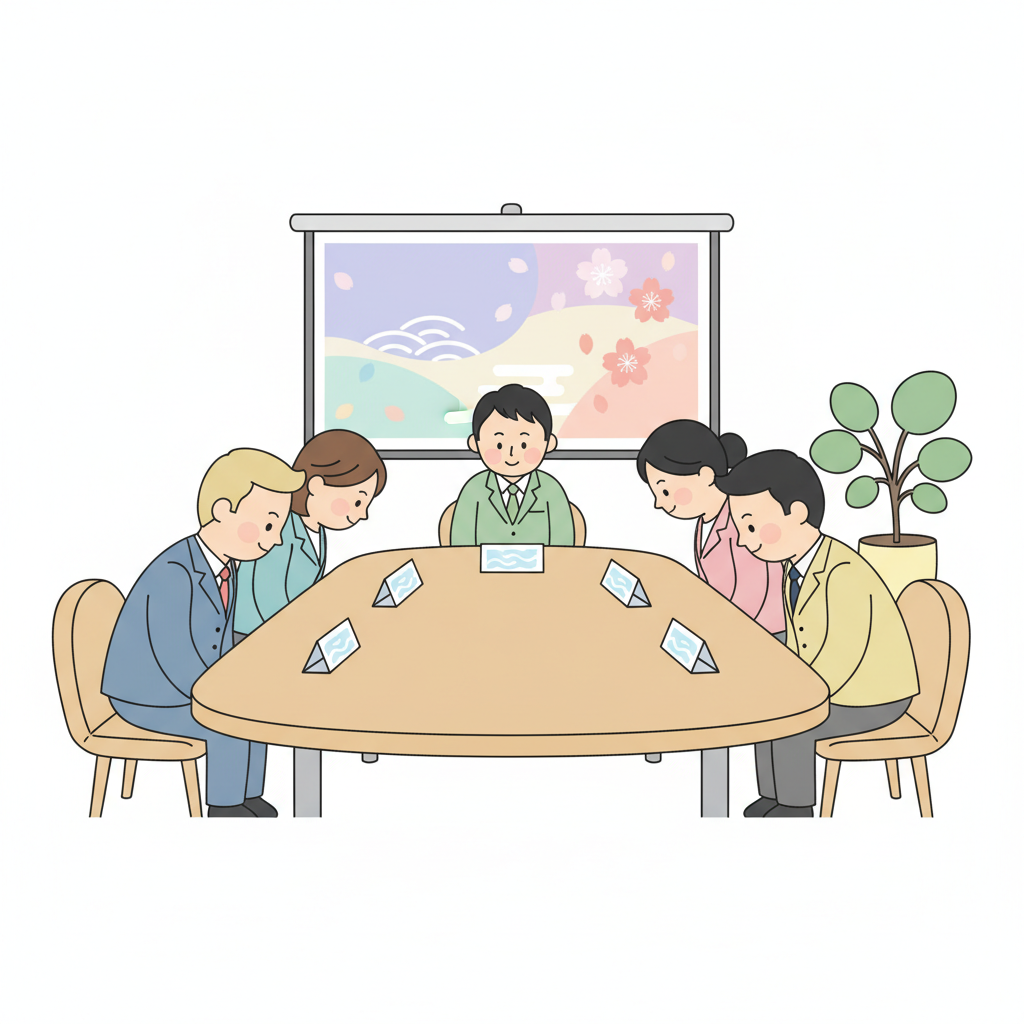
Japanese meeting manners: bowing greetings and formal seating

Punctuality is Essential

Being late is considered very disrespectful. Arrive 5-10 minutes early. If you're delayed, call ahead immediately.

🪑

Seating Hierarchy

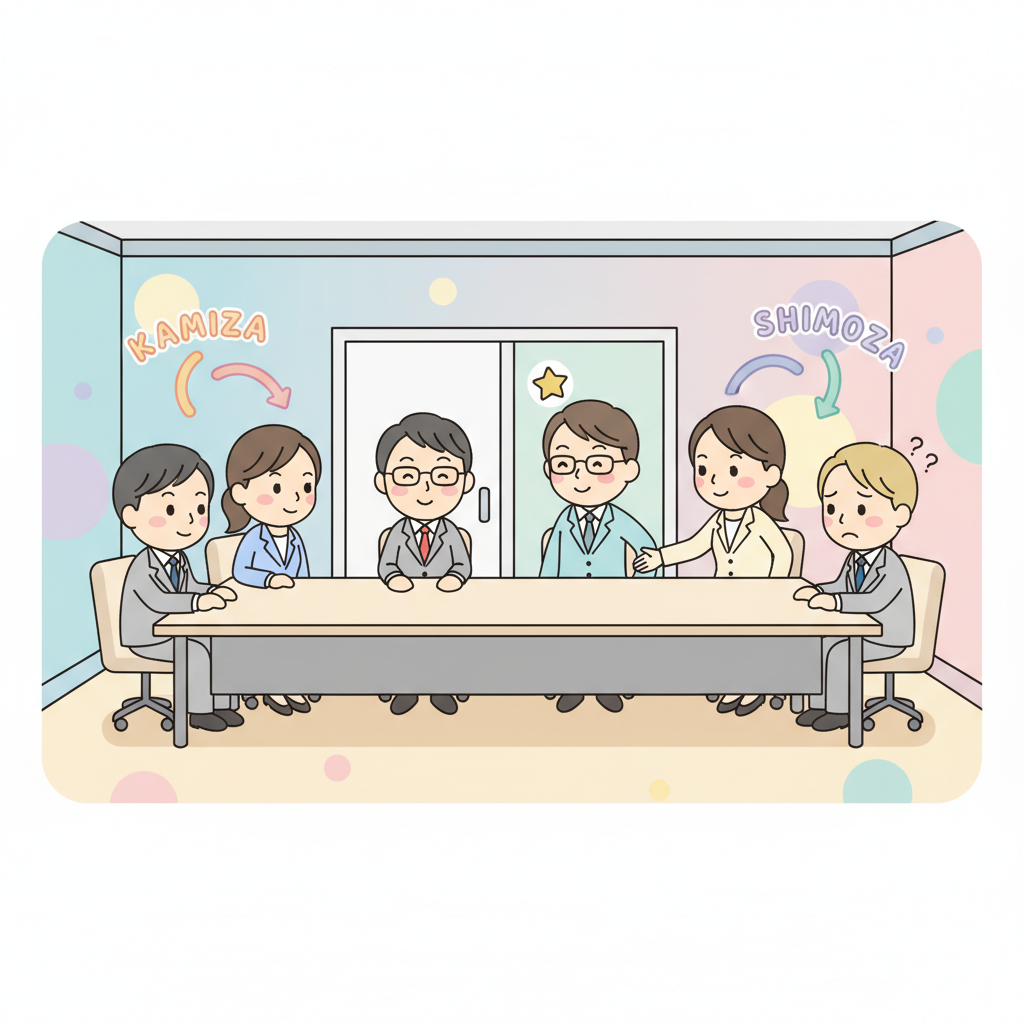
The most senior person sits farthest from the door (kamiza). Wait to be directed to your seat rather than choosing freely.

🙇

Bowing Protocol

Bow when greeting. The depth depends on seniority — a slight bow (15°) for peers, deeper (30-45°) for seniors.

🤐

Silence is Acceptable

Silence during meetings is normal and not awkward. It signals thoughtful consideration rather than confusion or disagreement.

🚫

Avoid Direct Refusals

"That would be difficult" (muzukashii) means "no." Japanese business culture values indirect communication to preserve harmony.

📱

Phones Away

Keep phones face-down or put away during meetings. Answer calls only in an emergency and step outside.

🏨

Traveling to Japan for business?

A business hotel near major stations keeps you close to meetings. Many offer early check-in and late checkout for business travelers.

Browse Business Hotels →

🎁 Gift Giving in Business

Japanese business gift-giving: present gifts with both hands and a bow

The Art of Omiyage

Bringing gifts (omiyage) from your home country is a wonderful way to start a business relationship. Choose high-quality food items or regional specialties. Always wrap gifts beautifully — presentation matters as much as the gift itself in Japan.

🎁

Present with Both Hands

Always offer and receive gifts with both hands and a slight bow. This shows respect and sincerity.

🙅

Don't Open Immediately

Japanese custom is to set the gift aside and open it later — not in front of the giver. Don't be surprised if your gift isn't opened on the spot.

🔢

Avoid Numbers 4 and 9

The numbers 4 (shi) and 9 (ku) are associated with death and suffering in Japanese. Avoid giving sets of 4 or 9 items.

Avoid White Wrapping

White is associated with funerals in Japan. Use colourful or gold wrapping paper, and avoid plain white packaging for business gifts.

🍱 Business Dining

🍺

Pour for Others

Never pour your own drink. Always pour for those around you and wait for someone to pour yours in return.

🥂

Wait for Kanpai

Don't drink until everyone has a glass and someone leads the "Kanpai" (cheers) toast.

💴

Let the Host Pay

The senior person or host typically pays. Offering to pay is polite, but don't insist — graciously accept if they decline.

🙏

Say Itadakimasu

Before the meal begins, follow the host's lead and say itadakimasu. After the meal, gochisousama deshita thanks the host for the food.

📵

Phone Away at the Table

Keep your phone face-down or put it away during a business meal. Checking messages or taking calls at the table is considered disrespectful to your hosts.

🍱

Try Everything Served

In a business setting, making an effort to try all dishes — even unfamiliar ones — shows respect and builds rapport. You don't need to finish everything, but at least taste it.
🪑 Seating Order

Japanese business seating order: kamiza seat of honor and shimoza lower seat
💺

Kamiza — Seat of Honor

The seat farthest from the door is the kamiza (upper seat), reserved for the most senior person. In taxis, the seat behind the driver is kamiza.

🚪

Shimoza — Lower Seat

The seat closest to the door is the shimoza (lower seat), typically for the most junior person. Wait to be directed to your seat.

👀

Watch and Follow

If unsure where to sit, it is better to wait near the door and let your host guide you. Japanese colleagues will usually indicate seating.

📧 Email Etiquette

📝

Start with a Greeting

Japanese business emails start with "Otsukaresama desu" (acknowledging hard work). Even in English emails to Japanese colleagues, a polite greeting is appreciated.

🙏

Be Polite and Indirect

Direct refusals are uncommon in Japanese business communication. "We will consider it" often means a gentle no. Read between the lines.

📎

Use Proper Titles

Address people by their title and surname (e.g., "Tanaka-san" or "Tanaka-buchō"). First names are rarely used in business settings.

📩 After-meeting Follow-up

✉️

Send a Thank-You Email

It is common to send a brief thank-you email the same day after a meeting. Acknowledge the time spent and confirm any action items.

📅

Confirm Next Steps

Summarize agreed points and timelines in writing. This helps avoid misunderstandings and shows professionalism.

👔 Dress Code

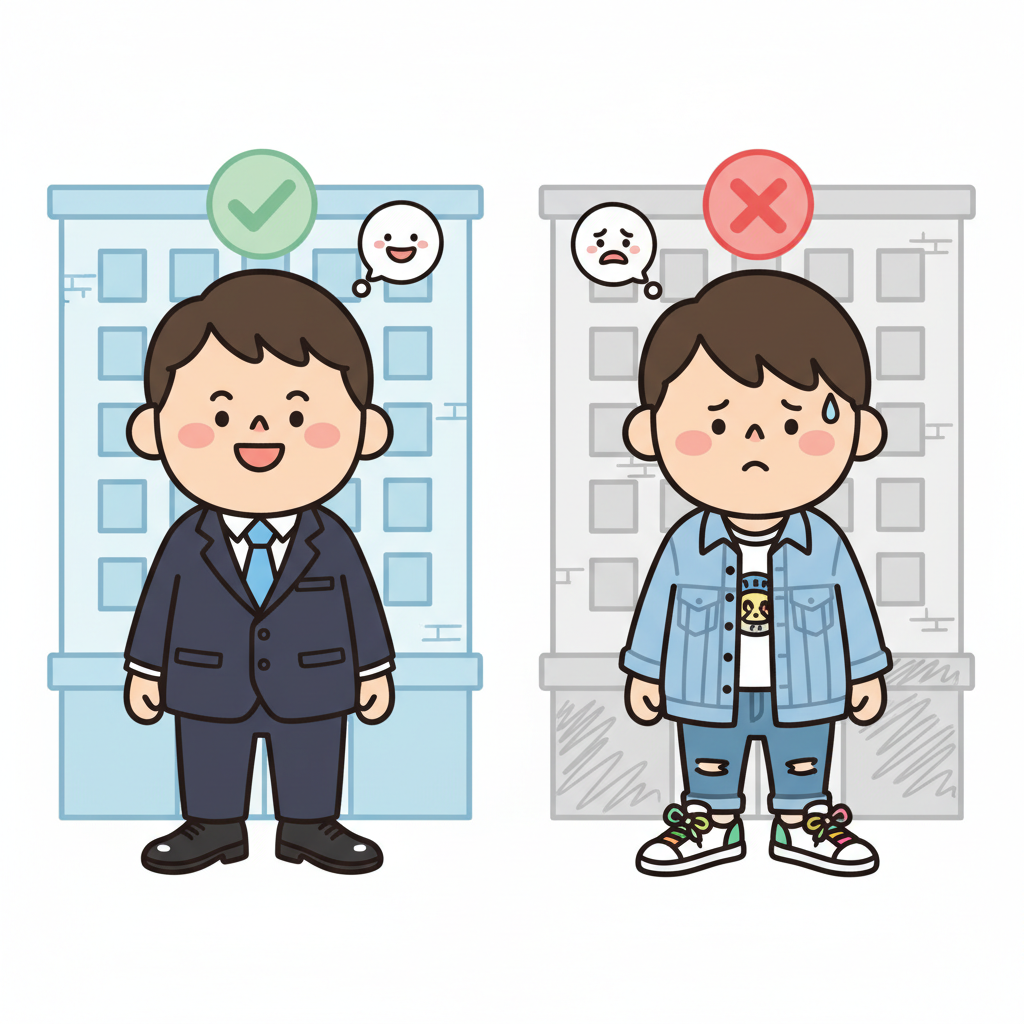
Japanese business dress code: dark suit and polished shoes
🤵

Dark Suit and Tie

For most business meetings, a dark suit (navy or charcoal) with a white or light-colored shirt is the standard. Conservative is better than flashy.

👞

Clean, Polished Shoes

Wear clean business shoes. Avoid sneakers, sandals, or overly casual footwear. You may need to remove shoes in some offices or restaurants.

🧳

Neat Appearance

Keep grooming clean and understated. Strong fragrances, flashy accessories, or very casual clothing can send the wrong message in business settings.

✅ Quick Tips

✅ Do

  • Exchange business cards with both hands
  • Place received cards on the table during meetings
  • Arrive 5–10 minutes early
  • Wait to be directed to your seat
  • Send a thank-you email the same day

🚫 Avoid

  • Pocketing a received card immediately
  • Writing on someone's business card
  • Being late without prior notice
  • Using first names in business settings
  • Wearing strong perfume or casual clothes

💡 Why It Matters

Japanese business culture values respect, hierarchy, and attention to detail. These customs show that you take the relationship seriously. You do not need to memorize every rule — a genuine effort to be polite and observant will be noticed and appreciated.

🗣️ Useful Phrases

Hajimemashite — Nice to meet you
はじめまして

Yoroshiku onegaishimasu — I look forward to working with you
よろしくお願いします

Otsukaresama desu — Thank you for your hard work
お疲れ様です

🔗 Related Guides

🆘

Emergency Phrases

Useful Japanese phrases for business and daily life

🍜

Dining

Business dining and drinking etiquette

🚄

Transport

Getting to meetings on time by train or taxi