🚇 Subway & Train Rules
 ▶ Video Coming Soon
🎬 How to Line Up for Trains in Japan
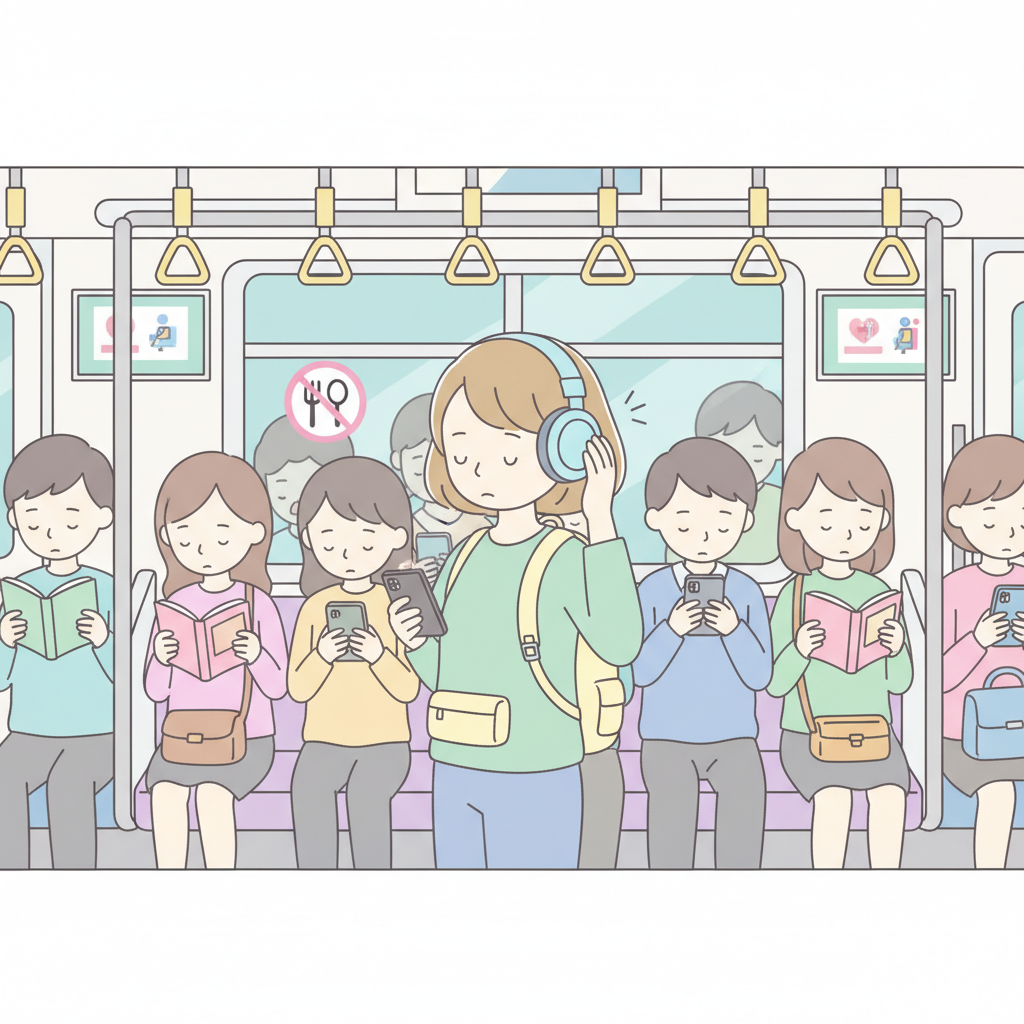
No Phone Calls
Phone calls on trains are strictly frowned upon. Set your phone to silent mode and text instead.
Keep Audio Private
Keep music and videos at a volume only you can hear. Noise-cancelling headphones are perfect for Japan's trains.
Let Passengers Off First
 ▶ Video Coming Soon
🎬 Let Passengers Get Off First
Always stand to the side of doors and let people exit before boarding. Queue orderly on the marked platforms.
Priority Seats
Marked pink/blue seats are for elderly, pregnant women, and disabled passengers. Always offer your seat.
Bag Etiquette
 ▶ Video Coming Soon
🎬 Hold Your Backpack in Front on Crowded Trains
On crowded trains, move your backpack to the front or place it in the overhead rack. Don't block the aisle.
No Eating
Eating on local trains is generally frowned upon (shinkansen is the exception). Drink from a closed container only.
🚄 Shinkansen Tips
 ▶ Video Coming Soon
🎬 Managing Large Luggage on Japanese Trains
✅ Do This
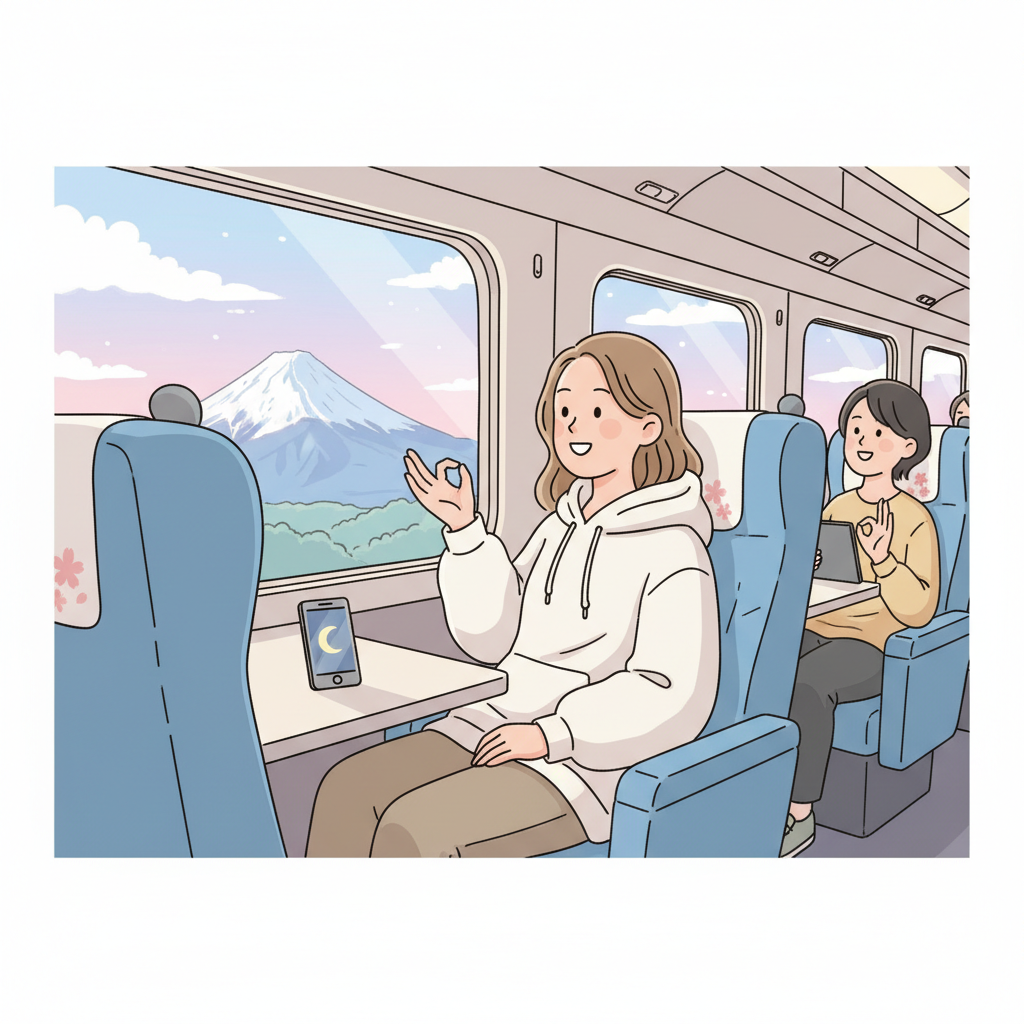
- Book reserved seats in advance
- Eating bento is perfectly fine
- Ask the person behind before reclining, and only recline slightly
- Store large luggage in overhead racks
- Be at the platform 5 min early
❌ Avoid This
- Don't talk on the phone
- Don't recline fully — a small angle is considerate enough
- Don't leave trash on the train
- Don't block the aisle with luggage
- Don't miss your stop — check signs!
Reserved vs Non-Reserved
Most Shinkansen have both reserved (shiteiseki) and non-reserved (jiyuseki) cars. Reserved seats are highly recommended, especially during holidays and Golden Week.
Ekiben — Train Bento
Eating ekiben (station bento) is a beloved Shinkansen tradition. Pick one up at the station before boarding — each region has its own specialty.
Large Luggage Rules
Bags over 160cm total dimensions require a reserved "oversized luggage space" seat. Book in advance on the JR website or at the station.
Noise Level
Keep conversations quiet. Phone calls are not permitted in the seating area — step into the connector space between cars if you must call.
Stay connected across Japan
A Japan eSIM gives you instant data from the moment you land — no SIM swap, no queues at the airport.
Get a Japan eSIM →Traveling with large luggage?
Airport-to-hotel luggage delivery lets you skip crowded trains entirely. Delivery is available from all major airports — your bags arrive before you do.
Browse Luggage Delivery →🚕 Taxi Manners
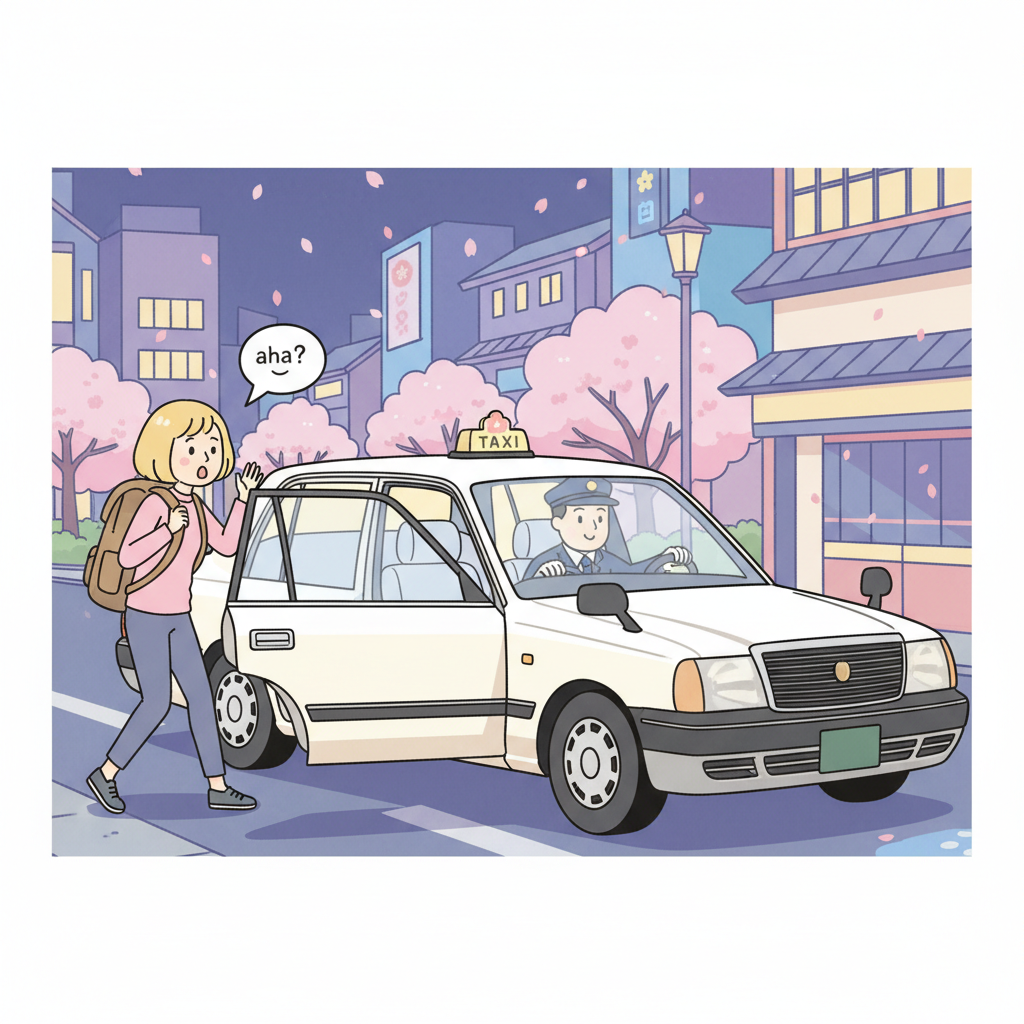
Automatic Doors
Taxi doors in Japan open and close automatically. Never touch the door handle — let the driver operate it.
Pay with Cash
Many taxis accept IC cards or credit cards, but cash is always safest. Have yen ready.
Show the Address
Show the driver a map or written address in Japanese — verbal directions can be tricky for foreign names.
No Smoking
All taxis in Japan are non-smoking. Don't eat or drink in the taxi either.
Tipping is Not Expected
Tipping is not customary in Japan — it can even cause confusion. Simply say arigatou gozaimasu when you arrive.
Booking Apps
Japan Taxi and GO apps let you book in English. Especially useful late at night or in areas where taxis are hard to hail.
Skip the taxi queue at the airport
Private airport transfers are fixed-price and meet you at arrivals — no meter anxiety, no language barrier.
Book a Private Transfer →🚌 IC Cards & Buses
Get an IC Card
Suica or ICOCA cards work on trains, buses, and even convenience stores across Japan. Tap in and tap out — no need to buy tickets each time.
City Bus Rules
In most Japanese cities, you board from the rear and pay at the front when you exit. Some city buses use front-boarding with prepayment — check the sign at the door.
Keep It Quiet on Buses
Same as trains — no phone calls, keep music to yourself, and give up your seat for elderly passengers or those with disabilities.
Press the Button Early
Press the stop button well before your destination so the driver has time to pull over. Missing your stop means waiting for the next one.
JR Pass — Worth It?
If you're visiting multiple cities, a Japan Rail Pass can save you significant money on Shinkansen travel. Purchase before you arrive in Japan.
Check JR Pass Options →