🇯🇵 Japan Manners Guide
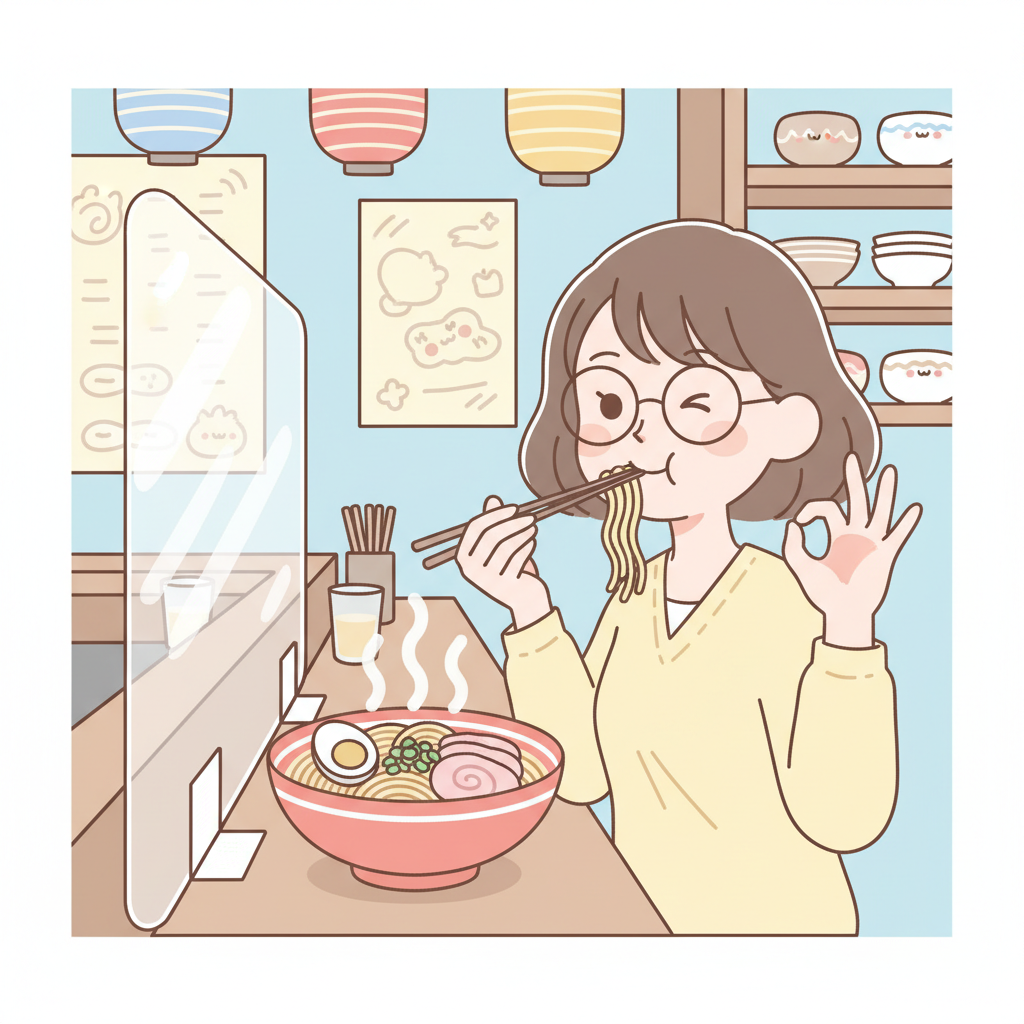
A happy person eating ramen at a Japanese ramen shop

🍜 Japanese Dining Etiquette

From ramen shops to sushi bars — everything you need to know to eat like a respectful guest in Japan

← Back to Home

🥢 Chopstick Rules

Chopstick Rules in Japan ▶ Video Coming Soon

🎬 Chopstick Rules in Japan
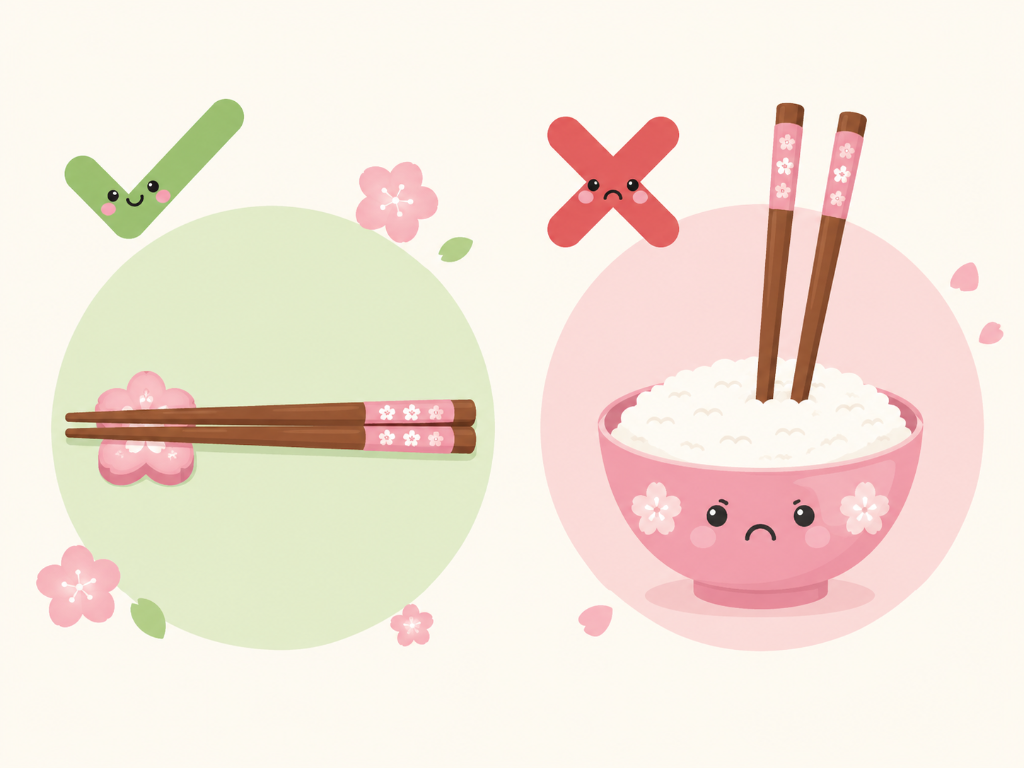
Chopstick etiquette: OK to rest on holder, NG to stick upright in rice
🚫

Never Stick Chopsticks Upright

Placing chopsticks upright in rice resembles a funeral ritual — it's considered very bad luck and disrespectful.

🔄

Use the Reverse End for Shared Dishes

When taking food from a shared plate, use the clean (unused) end of your chopsticks or use serving utensils.

🙅

No Passing Food Chopstick-to-Chopstick

This mimics a funeral custom. Place food on a plate instead, then let the other person pick it up.

🛑

Don't Point or Wave Chopsticks

Chopsticks are eating utensils only. Pointing at people or waving them around is considered rude.

🍣 At the Sushi Restaurant
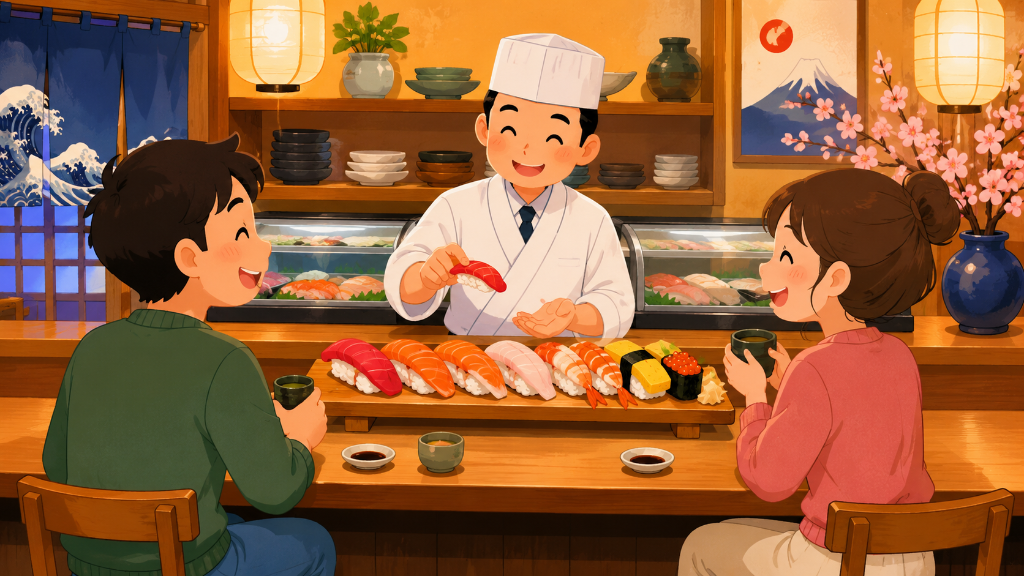
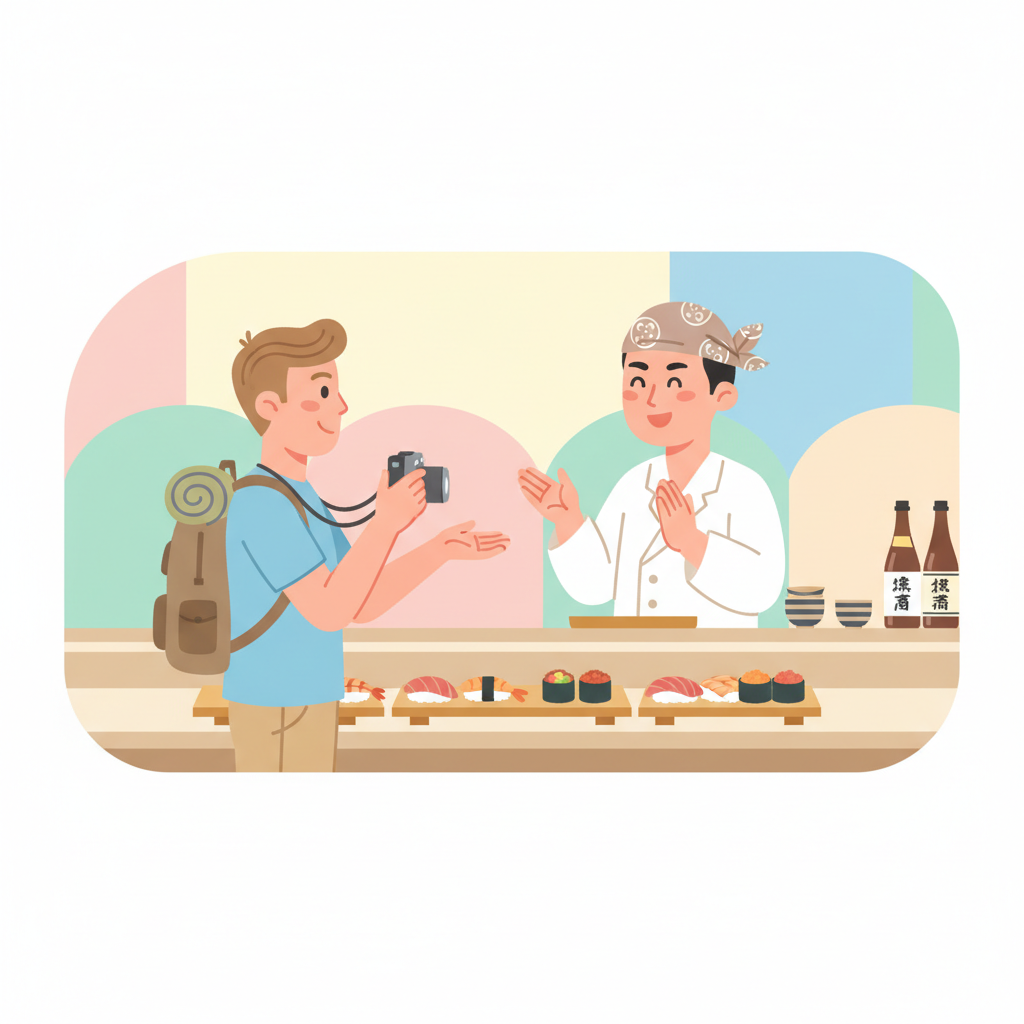
A friendly sushi chef serving nigiri to happy customers at a traditional sushi bar

✅ Do This

  • Eat nigiri sushi in one bite
  • Dip fish-side into soy sauce (not rice)
  • It's OK to eat sushi with your hands
  • Order ginger as a palate cleanser between bites
  • Say "Itadakimasu" before eating

❌ Avoid This

  • Don't mix wasabi into soy sauce at high-end spots
  • Don't leave rice on your plate
  • Don't pour excessive soy sauce
  • Don't talk loudly in quiet sushi bars
  • Don't pass food chopstick to chopstick
🍣

Experience sushi with a local guide

A sushi class or guided omakase experience is one of the most memorable things you can do in Japan.

Browse Sushi Experiences →

🍜 At the Ramen Shop

Ramen shop etiquette: solo counter dining and slurping noodles
🎵

Slurping is Welcome!

Slurping noodles is not rude in Japan — it shows appreciation for the food and actually enhances the flavor.

🎫

Use the Ticket Machine

Many ramen shops use vending machines to order. Buy your ticket first, then hand it to the chef.

⏱️

Eat Quickly

Ramen is meant to be eaten hot. Don't linger too long — other customers may be waiting.

🙌

Say Thank You

Say "Gochisousama deshita" when you finish. It means "Thank you for the feast" and chefs love hearing it.

🍺 At the Izakaya
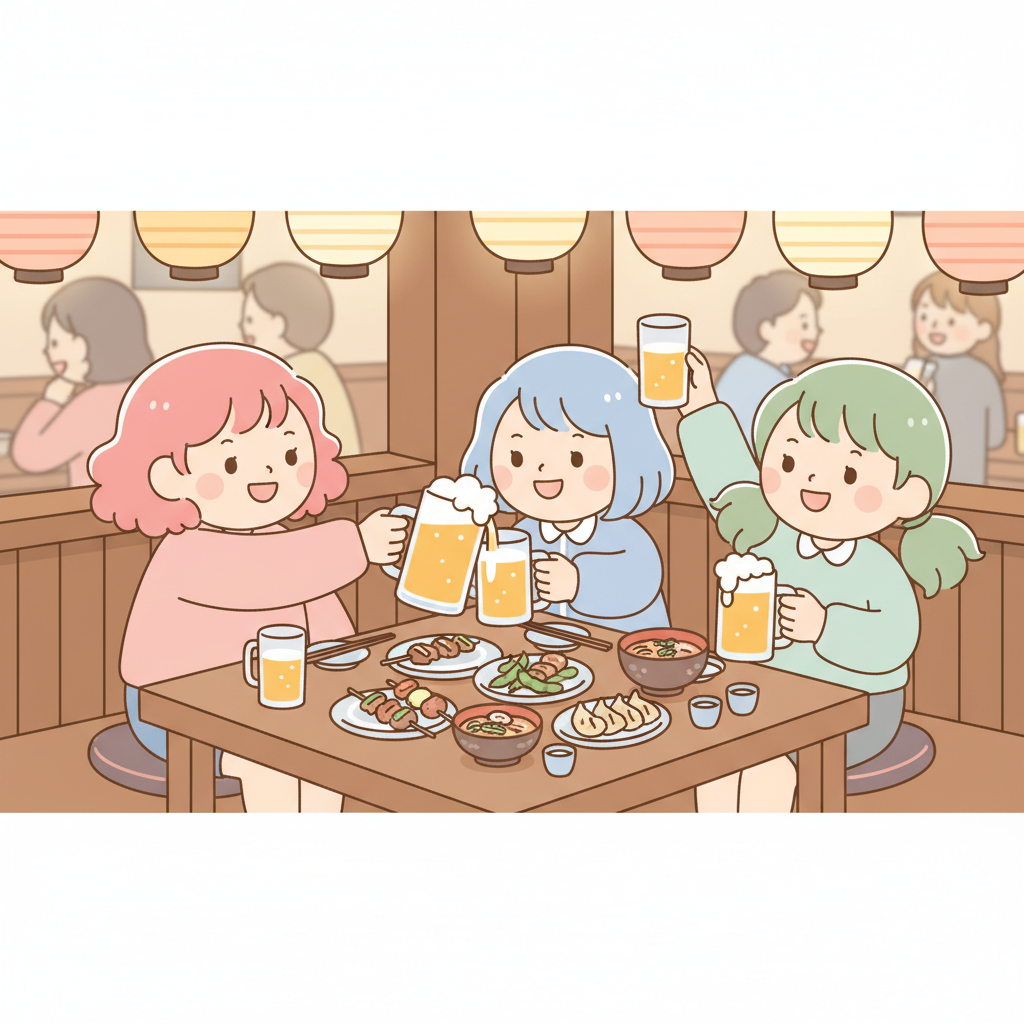
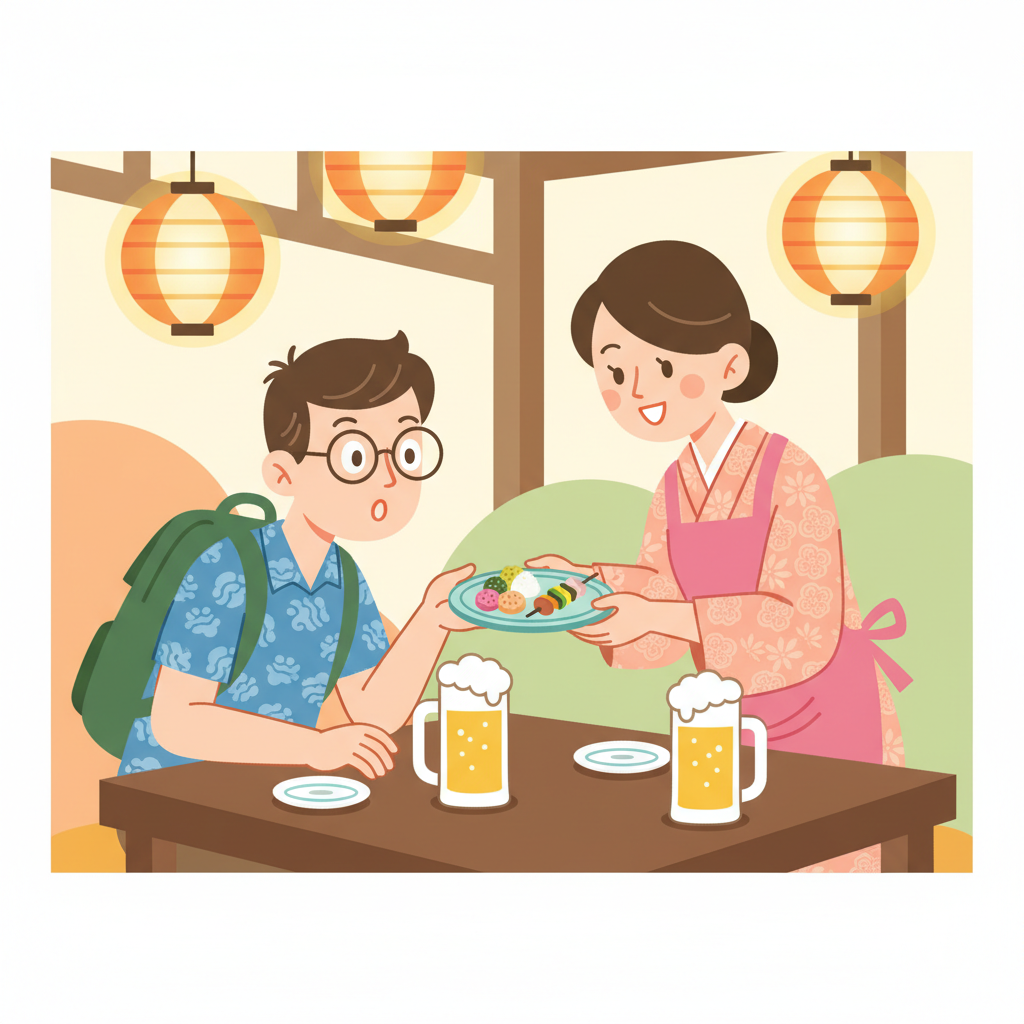
Izakaya drinking manners: pour for others, never pour your own drink

The Izakaya Experience

An izakaya is a Japanese gastropub — perfect for relaxed dining and drinks with friends. Pour drinks for others first before pouring your own. Wait for everyone to have a drink before starting with "Kanpai!" (cheers!). Food is ordered throughout the meal and shared among the table. It's perfectly acceptable to stay for hours — just make sure someone keeps an eye on when the restaurant closes.

🍺

Pour for Others First

Never pour your own drink at an izakaya. Keep an eye on others' glasses and refill them before your own. Someone will do the same for you.

🥂

Wait for Kanpai

Don't drink until everyone has a glass and someone calls "Kanpai!" It's the signal that the meal has officially begun.

🍽️

Shared Dishes

Food at izakaya is ordered throughout the evening and shared across the table. Use the opposite end of your chopsticks to serve others from shared plates.

🔔

Call Staff with the Button

Most izakaya have a call button on the table. Press it to order — don't shout across the restaurant. A raised hand also works at quieter places.

🚬

Smoking Areas

Some izakaya still have designated smoking sections. If you are sensitive to smoke, ask for a non-smoking table (禁煙席: kin-en seki) when you arrive.

Last Order & Closing Time

Izakaya often have a last order time 30 minutes before closing. Keep an eye on the time and place your final orders early — being asked to leave is awkward.

🏮

Want to explore izakaya culture?

A guided izakaya tour takes the guesswork out of ordering and helps you discover dishes you'd never find on your own.

Browse Izakaya Tours →

💰 Paying the Bill

How to Pay the Bill at a Japanese Restaurant ▶ Video Coming Soon
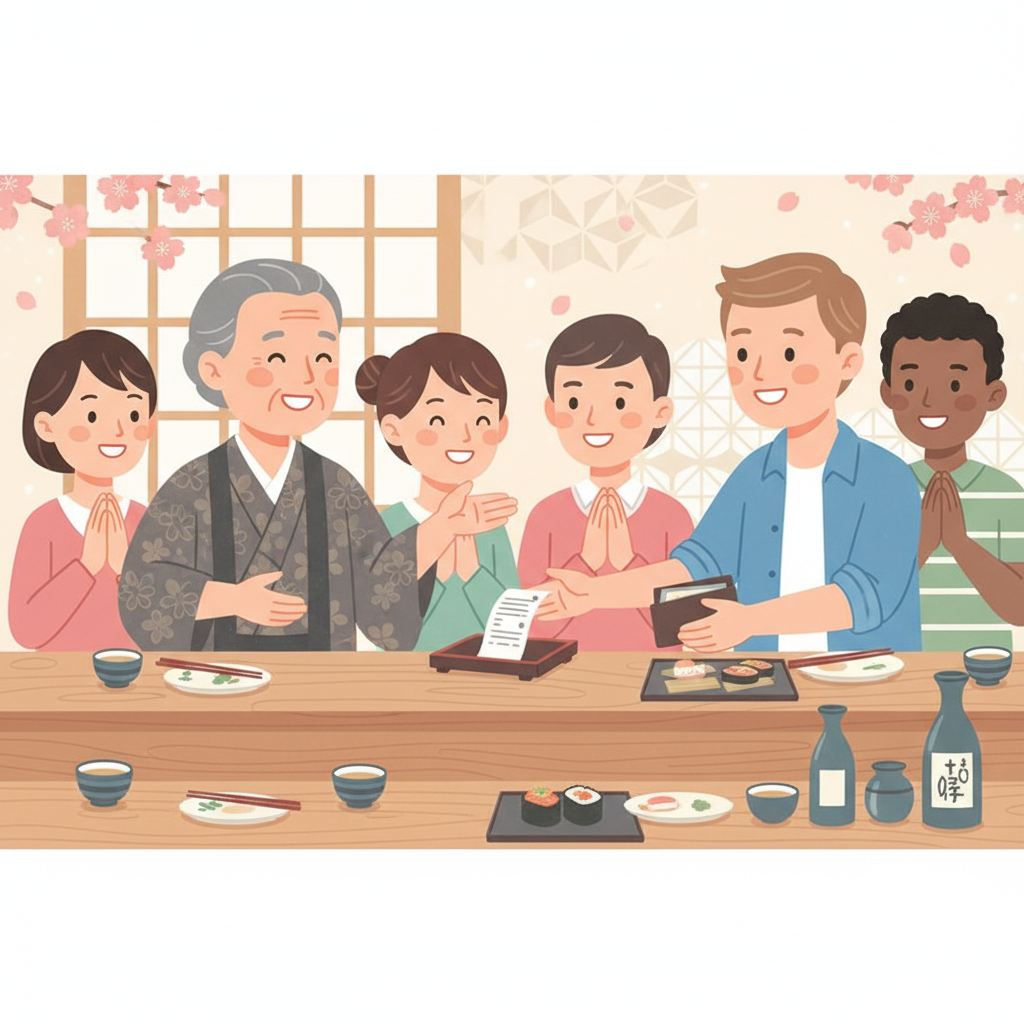
🎬 How to Pay the Bill at a Japanese Restaurant

Paying the bill at Japanese restaurants: let the host pay
🚫

No Tipping!

Tipping is not customary in Japan and can even be considered rude. The service charge is included.

💴

Pay at the Register

In most Japanese restaurants, you take the bill to the register to pay — don't leave cash on the table.

💳

Have Cash Ready

Many restaurants, especially smaller ones, only accept cash. Always carry yen just in case.
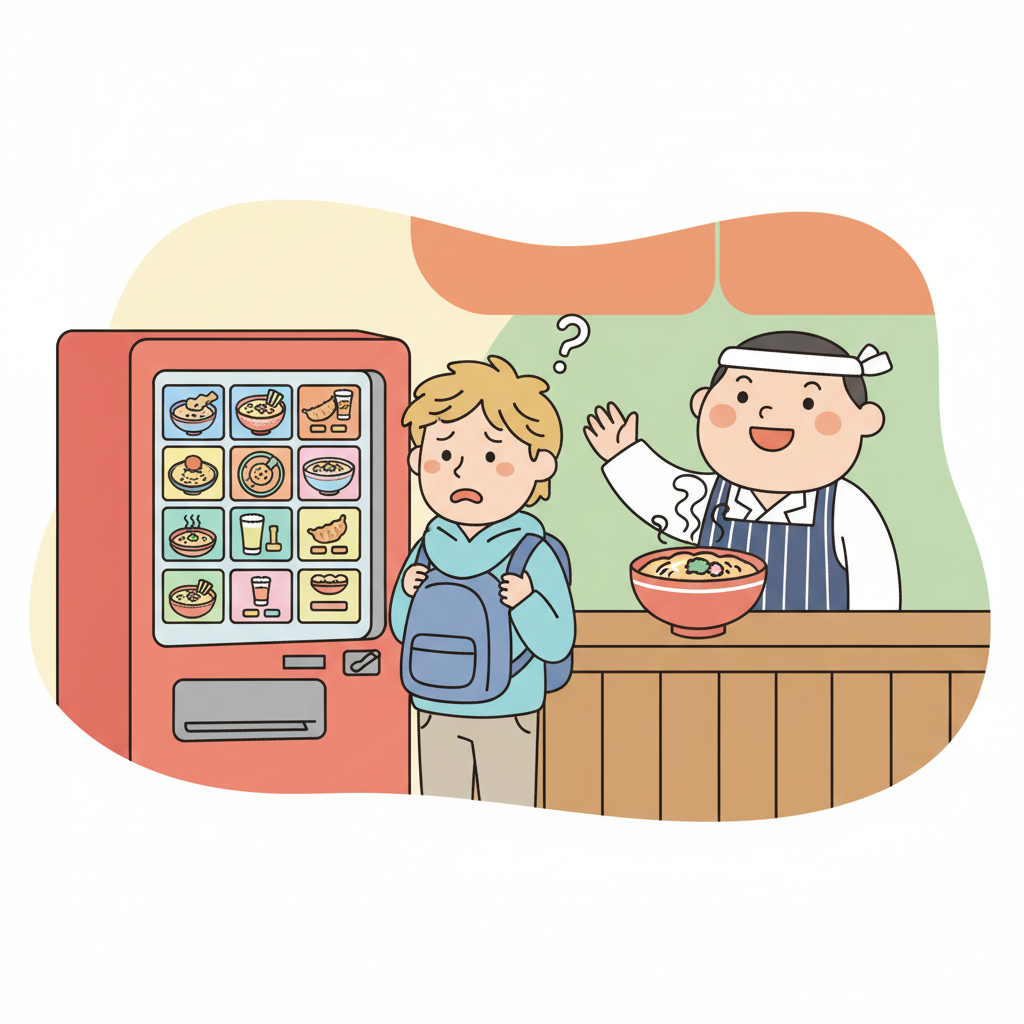
🎫 Ticket Machines

How to use a meal ticket machine at a Japanese ramen shop
🎟️

Buy a Meal Ticket First

At many ramen shops and shokudō (diners), you buy a meal ticket from a vending machine before sitting down. Look for the machine near the entrance.

🍴

Hand the Ticket to Staff

In most cases, hand your meal ticket to the staff and they will guide you to a seat. Some places have you sit first and place the ticket on the counter.

💬

Ask If Unsure

If the machine is only in Japanese, don't worry — many shops have English menus or picture buttons. It is okay to ask staff for help.

🍺 Izakaya Otoshi

Izakaya otoshi: a small appetizer served as a seating charge at Japanese pubs
🍽️

What Is Otoshi?

At many izakaya, a small appetizer called otoshi is brought to your table when you sit down. It is a kind of seating charge or service fee — similar to a cover charge in some countries.

💰

It Is Not Free

The otoshi usually costs a few hundred yen and appears on your bill automatically. It is a common custom, so it is better to accept it as part of the izakaya experience.

💬

Ask If Unsure

If you are not sure what the otoshi is or why it was charged, it is fine to ask the staff politely. They will be happy to explain.

📸 Restaurant Photography

Restaurant photography manners in Japan: always ask before taking photos
📵

Check for No-Photo Signs

Some restaurants prohibit photography inside. Look for signs at the entrance or ask the staff before taking pictures of your food or the interior.

🤫

Ask at Small Establishments

In small, traditional restaurants or counter-seat sushi shops, it is better to ask permission before photographing. The chef may prefer you focus on the experience.

👁️

Don't Include Other Customers

Be careful not to capture other diners in your photos. In tight spaces, this is especially important — angle your camera down toward your plate.

🌸 Perfume at Sushi Restaurants

🚫

Avoid Strong Scents

At high-end sushi restaurants and counter seats, it is better to avoid strong perfume or cologne. The scent can interfere with the delicate aromas of fish and dashi.

🍣

Sushi Is About Aroma

The culture of sushi values the subtle fragrance of rice, fish, and wasabi. Strong scents — from perfume, cigarettes, or even strong soap — can mask these nuances.

✅ Quick Tips

✅ Do

  • Say "itadakimasu" before eating and "gochisōsama" after
  • Use chopstick rests when available
  • Buy meal tickets first at ticket-machine shops
  • Ask before photographing in small restaurants

🚫 Avoid

  • Sticking chopsticks upright in rice
  • Passing food chopstick-to-chopstick
  • Leaving a tip — it is not expected in Japan
  • Wearing strong perfume at sushi counters

💡 Why It Matters

Dining in Japan is about more than just the food — it is a shared experience shaped by respect for the chef, the ingredients, and fellow diners. You do not need to be perfect, but knowing a few key customs helps you enjoy your meal and show appreciation.

🗣️ Useful Phrases

Kore wa nan desu ka? — What is this?
これは何ですか?

Niku wa haitte imasu ka? — Does this contain meat?
肉は入っていますか?

O-mizu o onegaishimasu — Water, please
お水をお願いします

🔗 Related Guides

🆘

Emergency Phrases

Food allergy phrases and restaurant vocabulary

🌆

Public Space

Walking, eating, and public photography manners

👟

Shoes & Ryokan

Traditional dining settings and tatami etiquette